
When exploring Chinese cuisine, some dishes are more than just food — they are stories served on a plate.
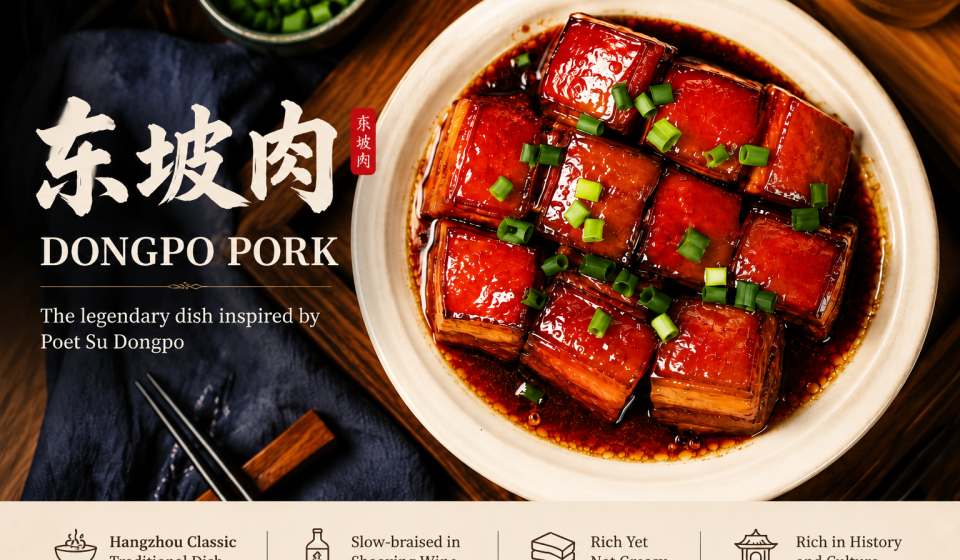
Dongpo Pork (东坡肉, Dōngpō Ròu) is one of the most famous traditional dishes in China. Originating from Hangzhou, Zhejiang Province, this slow-braised pork belly is not only a symbol of Zhejiang cuisine but also a culinary tribute to one of China’s greatest poets, Su Dongpo (苏东坡).
With its glossy ruby-red color, incredibly tender texture, and rich aroma of Shaoxing wine, Dongpo Pork has become a must-try dish for travelers visiting Hangzhou.
If you are planning a food journey through eastern China, tasting authentic Dongpo Pork beside the beautiful West Lake is a cultural experience you should not miss.
The Story Behind Dongpo Pork: A Poet and the West Lake
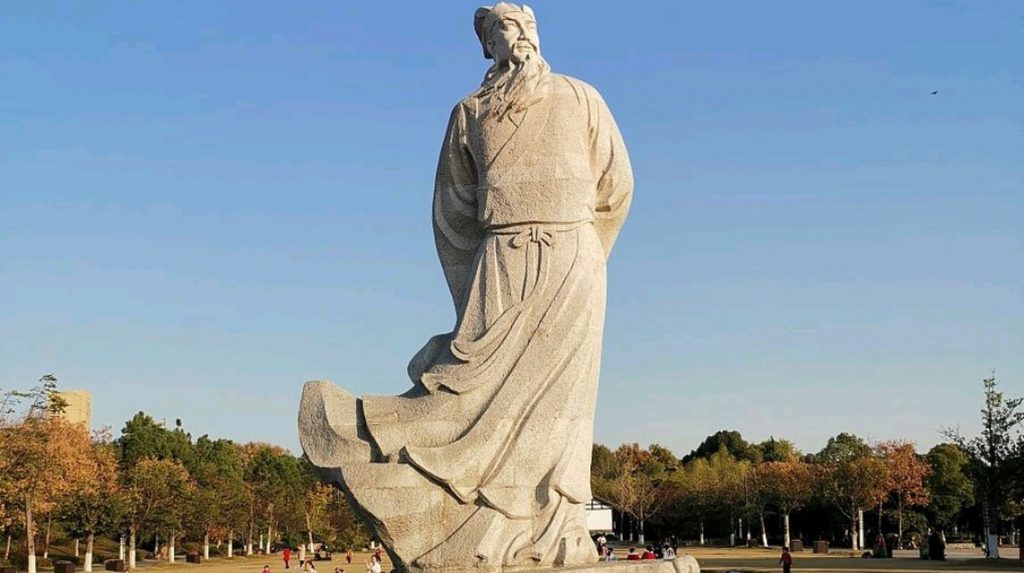
The history of Dongpo Pork is closely connected with Su Dongpo (Su Shi, 1037–1101), a famous poet, writer, and government official during the Northern Song Dynasty.
While serving as an official in Hangzhou, Su Dongpo helped improve the local environment by organizing a major project to repair and dredge West Lake. The famous Su Causeway (苏堤), one of West Lake’s most scenic walking paths today, was named in his honor.
According to legend, local residents appreciated his efforts and sent him large amounts of pork as a gift.
Su Dongpo was known not only for his talent but also for his kindness. Instead of keeping the pork for himself, he asked his family to cook it slowly and share it with the workers who helped with the West Lake project.
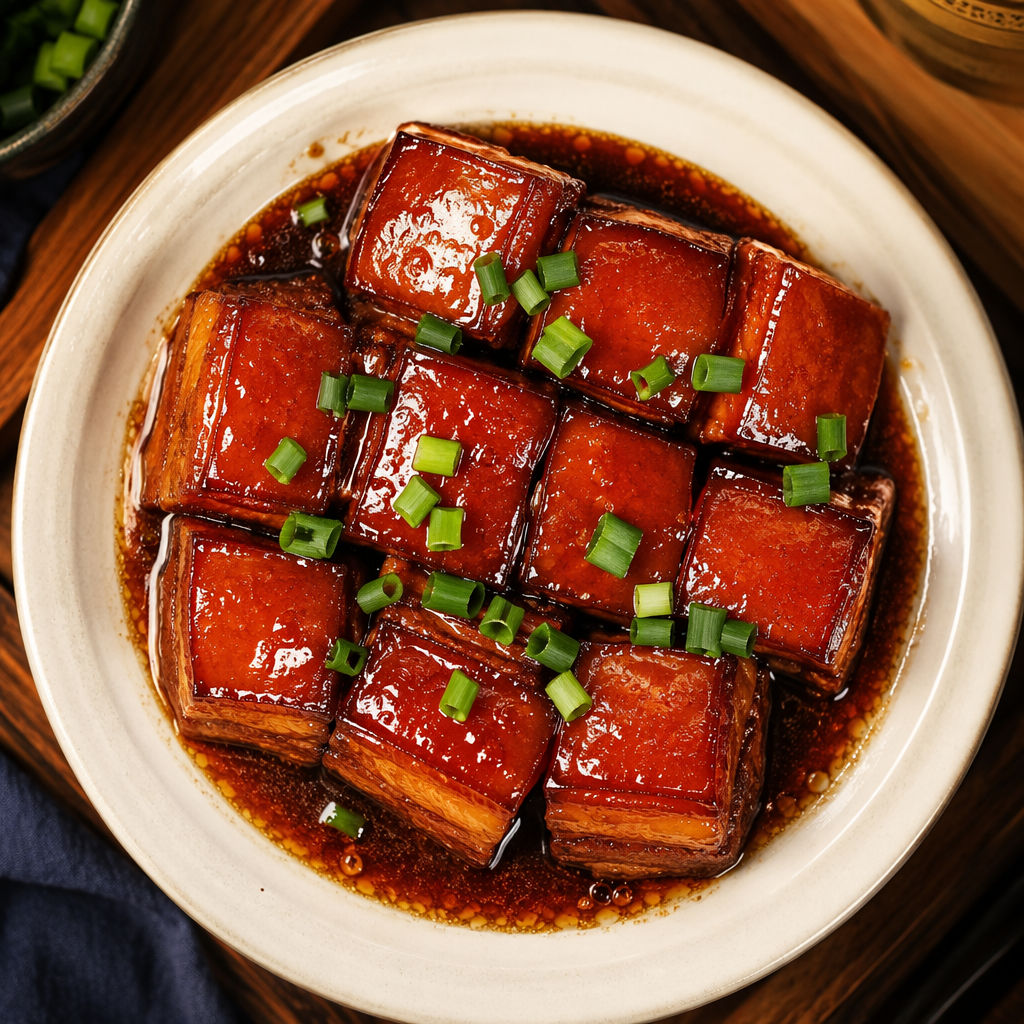
The workers loved the dish so much that it became associated with his name — Dongpo Pork.
Su Dongpo even wrote a famous poem about cooking pork:
“Slow fire, little water. When the time comes, it becomes naturally delicious.”
This simple philosophy perfectly represents the cooking style behind Dongpo Pork: patience creates perfection.
What Makes Dongpo Pork Special?
Unlike many Western-style pork dishes, Dongpo Pork focuses on transforming a simple ingredient into something elegant through slow cooking.
1. The Perfect Cut of Pork
Traditional Dongpo Pork uses:
- Thick pork belly with the skin attached
- Large square-shaped pieces
- Multiple layers of fat and lean meat
The combination of meat, fat, and skin creates its famous texture.
The goal is not a crispy surface like Western roasted pork, but a soft and silky texture where the meat almost melts in your mouth.
2. A Unique Texture: Rich Yet Not Greasy
A well-made Dongpo Pork has a surprising balance:
- The meat is extremely tender
- The skin becomes soft and gelatinous
- The fat melts slowly during cooking
- The flavor is rich but not overwhelming
For many first-time visitors, it may look like a very fatty dish. However, after hours of slow braising, much of the oil is released, creating a smoother and lighter taste.
3. The Signature Flavor of Shaoxing Wine
One of the secrets behind authentic Dongpo Pork is Shaoxing wine (绍兴酒).
This traditional Chinese yellow wine adds:
- A deep fermented aroma
- Slight sweetness
- A complex savory flavor
Together with soy sauce and rock sugar, it creates the famous reddish-brown glossy appearance.
How Traditional Dongpo Pork Is Made
Although Dongpo Pork looks luxurious, its cooking method is surprisingly simple.
The key idea is:
Low temperature + long cooking time + quality ingredients
Traditional Ingredients
| Ingredient | Purpose |
|---|---|
| Pork belly with skin | Main ingredient |
| Shaoxing wine | Adds aroma and depth |
| Soy sauce | Creates savory flavor |
| Rock sugar | Adds sweetness and color |
| Ginger and scallions | Removes pork smell and adds fragrance |
Traditional Cooking Process
Step 1: Prepare the Pork
The pork belly is cut into large square pieces, usually around 4–5 cm wide.
Some chefs tie the pork with cooking string to help maintain its shape during long cooking.
Step 2: Remove Unwanted Flavor
The pork is briefly boiled with ginger to remove impurities.
After blanching, it is cleaned before the slow-braising process begins.
Step 3: Slow Braise with Shaoxing Wine
The pork is placed on a bed of ginger and scallions, then cooked with:
- Shaoxing wine
- Soy sauce
- Rock sugar
Traditional versions often use little or no water, allowing the wine and seasonings to slowly penetrate the meat.
Step 4: Low Heat Cooking
The pork is simmered slowly for several hours until:
- The meat becomes extremely tender
- The skin turns soft and shiny
- The sauce becomes rich and flavorful
This slow cooking method is the heart of Dongpo Pork.
Where to Eat Authentic Dongpo Pork in Hangzhou
If you visit Hangzhou, trying Dongpo Pork at a traditional restaurant is one of the best ways to experience local cuisine.
Lou Wai Lou (楼外楼)
Located near West Lake, Lou Wai Lou is one of Hangzhou’s most famous historic restaurants.
Established in 1848, it represents classic Hangzhou cuisine and is one of the most popular places for visitors wanting to try traditional dishes.
Recommended dishes:
- Dongpo Pork
- West Lake Vinegar Fish
- Longjing Shrimp
Zhi Wei Guan (知味观)
Founded in 1913, Zhi Wei Guan is another famous Hangzhou culinary brand.
It is known for traditional Zhejiang snacks and local dishes, including its soft and flavorful Dongpo Pork.
Tian Xiang Lou (天香楼)
Tian Xiang Lou is another respected restaurant specializing in traditional Hangzhou cuisine.
It is a good choice for travelers who want a more classic dining atmosphere.
Travel Tips: How to Enjoy Dongpo Pork Like a Local
Pair It With Vegetables
Dongpo Pork is rich, so locals often enjoy it with simple vegetables such as:
- Shanghai bok choy
- Seasonal greens
- Light vegetable dishes
The fresh vegetables balance the richness of the pork.
Best Time to Try It
Dongpo Pork is available year-round, but it is especially enjoyable during:
- Autumn and winter
- Cooler weather
- Traditional Chinese holiday meals
Expect a Different Pork Experience
If you are used to:
- Crispy pork belly
- Barbecue pork
- Grilled meat dishes
Dongpo Pork may feel completely different.
It is softer, sweeter, and more delicate — closer to a slow-cooked cultural experience than a simple meat dish.
Frequently Asked Questions About Dongpo Pork
Is Dongpo Pork originally from Hangzhou?
Yes. Dongpo Pork is strongly associated with Hangzhou, Zhejiang Province, where it developed during the Song Dynasty.
Is Dongpo Pork very fatty?
It contains pork belly, so it is naturally rich. However, traditional slow cooking melts much of the excess fat, creating a softer and less greasy texture.
What does Dongpo Pork taste like?
It has a sweet and savory flavor with aromas of soy sauce and Shaoxing wine. The texture is extremely tender and almost melts in your mouth.
What other Hangzhou dishes should I try?
Besides Dongpo Pork, visitors should also try:
- West Lake Vinegar Fish (西湖醋鱼)
- Longjing Shrimp (龙井虾仁)
- Beggar’s Chicken (叫花鸡)
- Hangzhou-style noodles (杭州面条)
Final Thoughts: Dongpo Pork Is More Than a Dish
Dongpo Pork represents a unique part of Chinese food culture: the connection between history, literature, and everyday life.
For travelers visiting Hangzhou, tasting this dish is not just about enjoying pork. It is about experiencing a story that has been passed down for nearly a thousand years.
Standing beside West Lake, walking along Su Causeway, and enjoying a bowl of Dongpo Pork nearby is one of the most memorable ways to discover the cultural soul of Hangzhou.